
Chemical peels in Philadelphia can help improve the look of dark spots, acne marks, clogged pores, dullness, uneven texture, and early signs of aging. At Viviane Aires Skin Wellness near Rittenhouse Square, each peel is customized based on your skin tone, sensitivity, acne history, pigmentation risk, barrier health, and long-term skin goals.
The goal is not harsh peeling or aggressive resurfacing. The goal is controlled, professional exfoliation that supports clearer, brighter, smoother-looking skin without overwhelming the skin barrier.
Not sure where to begin? A customized facial consultation can help determine whether a chemical peel, acne facial, hydration support, or a longer treatment plan is the best first step.
Treatment at a Glance
| Detail | What to Know |
| Best for | Dark spots, acne marks, dullness, clogged pores, uneven texture, early fine lines |
| Location | Rittenhouse Square, Philadelphia |
| Treatment type | Customized professional chemical peel |
| Downtime | Depends on peel strength and skin sensitivity |
| Best next step | Skin analysis or consultation |
| Not ideal for | Irritated, sunburned, broken, or highly inflamed skin |
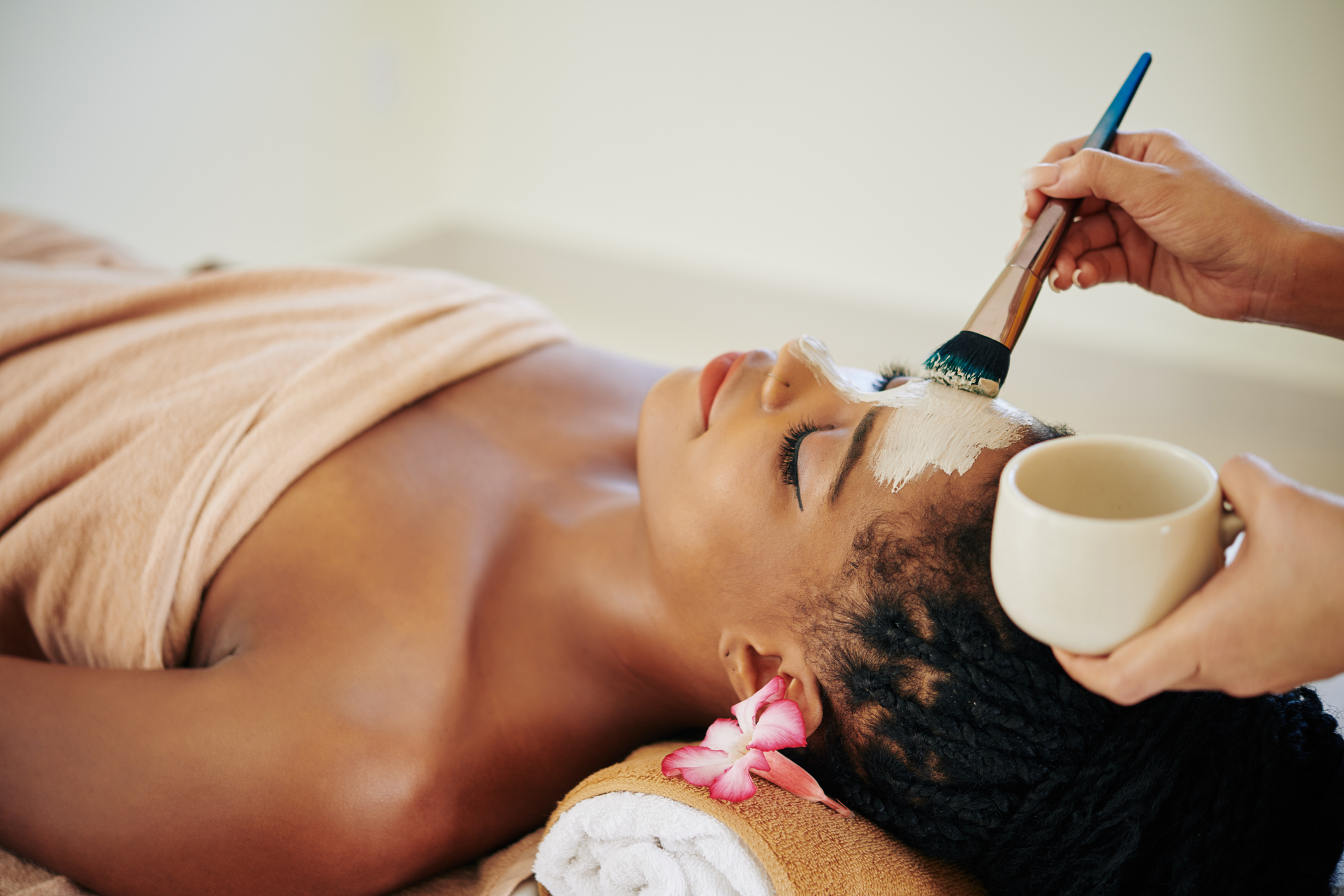
What Is a Chemical Peel?
A chemical peel is a professional exfoliating treatment that uses a carefully selected solution to loosen dead surface buildup and support skin renewal.
Unlike everyday exfoliating products, a professional peel is chosen based on your skin condition, skin tone, sensitivity, and treatment goal. Some peels are gentle and low-downtime. Others may create visible flaking and require more aftercare.
At Viviane Aires Skin Wellness, your peel is not selected randomly. Your skin is assessed first so the treatment can match what your skin actually needs.
Which Chemical Peel Is Right for Your Skin Concern?
Not every peel is right for every skin concern. The best option depends on what your skin is showing and how your skin responds to exfoliation.
| Your Skin Concern | Chemical Peel May Help With | Best Approach |
| Dark spots | Uneven tone, brown marks, sun-related discoloration | Pigment-conscious peel selection |
| Post-acne marks | Flat discoloration after breakouts | Acne + hyperpigmentation support |
| Clogged pores | Congestion, buildup, rough-feeling skin | Gentle exfoliating peel |
| Dull skin | Tired, flat, lack-of-glow appearance | Light or low-downtime peel |
| Uneven texture | Roughness, bumpy texture, surface buildup | Texture-focused peel plan |
| Fine lines | Early surface lines and dull aging skin | Customized clinical peel |
| Melasma-prone skin | Uneven patches that need careful support | Very cautious, customized approach |
| Sensitive skin | Reactive or easily irritated skin | Barrier support first |
If your main issue is flat discoloration, post-acne marks, or uneven tone, you may also want to explore hyperpigmentation and dark spots.
Chemical Peels for Dark Spots, Acne Marks & Hyperpigmentation
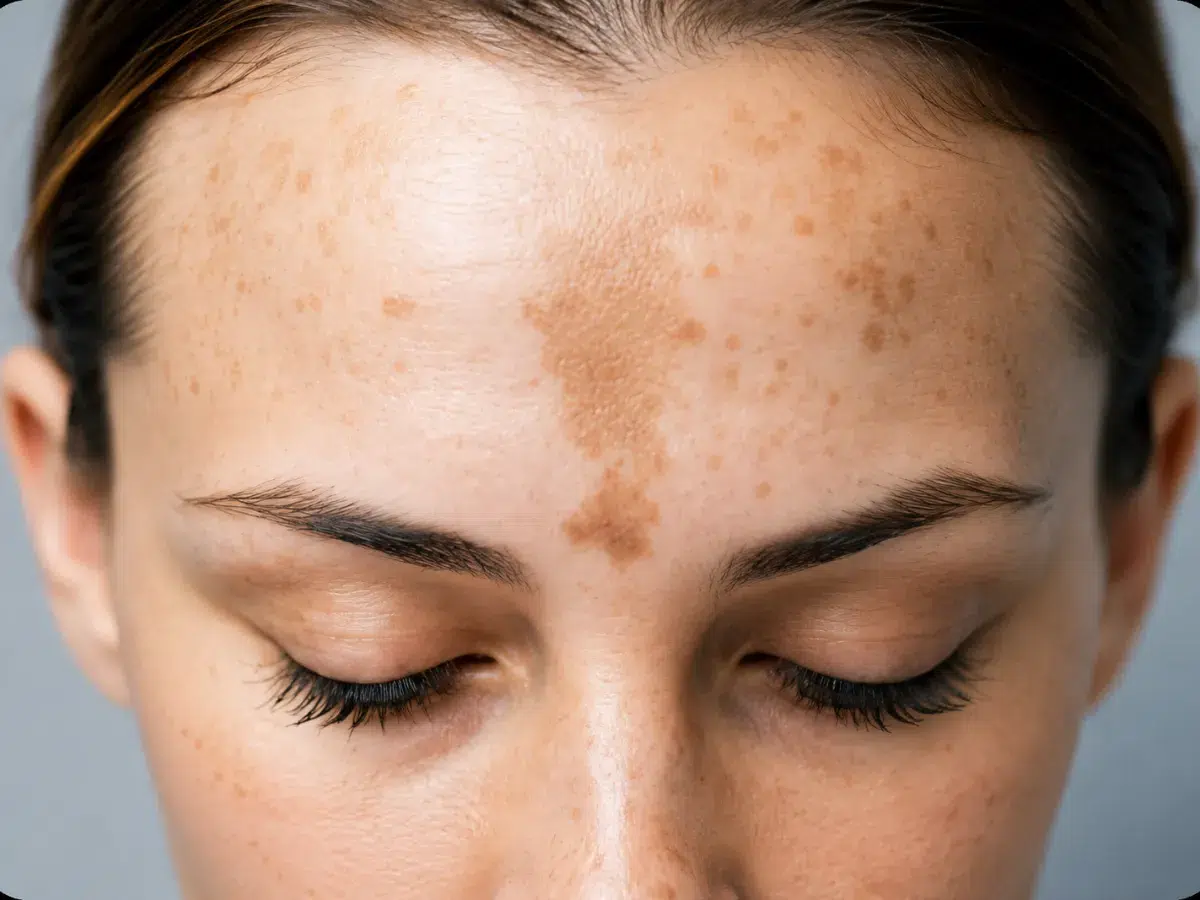
Chemical peels are often considered when the skin has flat dark marks, post-acne discoloration, uneven tone, or visible sun-related pigmentation.
For pigmentation-prone or melanin-rich skin, peel selection matters. Stronger does not always mean better. Over-exfoliating or using the wrong peel strength can irritate the skin and make uneven tone look worse.
A pigment-conscious plan may include gentle preparation, customized peel selection, sunscreen, barrier support, and realistic treatment timing.
If your dark spots started after breakouts, your skin may need both acne support and hyperpigmentation support. If dark spots are your main concern, review our hyperpigmentation facial in Philadelphia.
Enjoy These Benefits & More By Adding Chemical Peels to Your Next Facial!
Chemical Peels for Acne-Prone and Congested Skin
Chemical peels may help acne-prone skin by reducing dead skin buildup, congestion, clogged pores, and rough texture.
They may be helpful for skin that looks congested, oily but rough, clogged around the chin or forehead, marked after breakouts, or dull after repeated acne cycles.
If acne is inflamed, painful, cystic, or spreading quickly, calming the skin may come first. Start with our acne and breakouts guide or consider an acne facial in Philadelphia before choosing a stronger peel.
For red or inflamed-looking breakouts, LED light therapy for acne may also be part of the plan.
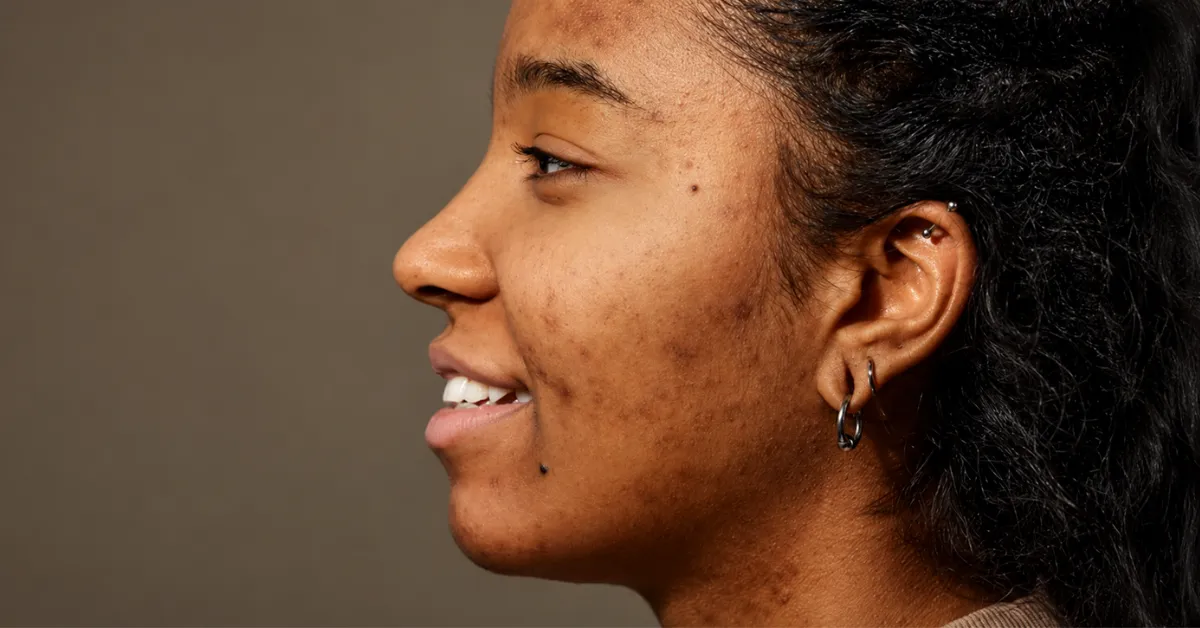
Chemical Peels for Uneven Texture and Dull Skin
Chemical peels can help when the skin looks dull, rough, uneven, or less smooth because of dead surface buildup.
If roughness, bumpiness, or post-acne surface changes are your main concern, our uneven skin texture guide explains when texture-focused care may help.
If your skin looks tired, flat, or lacks glow, read our dull skin guide.
For deeper acne scars, dents, or raised scars, a dermatologist may be needed for advanced scar treatment.
Types of Chemical Peels
Light or Low-Downtime Peels
Light peels are often used for dullness, mild congestion, early texture, and a quick glow. These are usually better for clients who want visible freshness without interrupting daily life.
AHA/BHA Chemical Peels
AHA and BHA peels may support surface exfoliation, clogged pores, oily skin, dullness, and uneven tone. These can be useful when the skin needs refinement without an overly aggressive approach.
Customized Clinical Peels
Clinical-level peels may be recommended for more advanced concerns such as hyperpigmentation, texture, fine lines, or sun damage. These may require preparation, downtime, and stricter aftercare.
Peel Series
Dark spots, acne marks, texture, and long-term dullness often respond better to a planned series rather than one treatment. For repeated concerns, the Skin Focus Program may be a better fit than a single peel.
Chemical Peel vs Everyday Skincare
| Factor | At-Home Skincare | Professional Chemical Peel |
| Strength | Lower | More targeted and controlled |
| Goal | Daily maintenance | Focused correction support |
| Best for | Routine care | Dullness, congestion, marks, texture |
| Risk | Overuse can irritate | Must be professionally selected |
| Results | Gradual | More visible when planned correctly |
Skincare is still important. A chemical peel works best when your home routine supports the treatment instead of irritating the skin.
For clients focused mainly on peach fuzz, makeup prep, and surface smoothness, dermaplaning in Philadelphia may be a better option than a peel.
What to Expect During a Chemical Peel
Your appointment may include skin analysis, cleansing, peel selection, controlled application, calming support, and aftercare guidance.
You may feel tingling, warmth, or mild activity during the peel. Your esthetician will monitor your skin response throughout the treatment.
What to Expect After a Chemical Peel
After a chemical peel, your skin may feel tight, dry, warm, or slightly sensitive. Some clients experience flaking or peeling, while others have little visible peeling.
Aftercare may include avoiding picking, harsh exfoliants, strong actives, direct sun exposure, and excess heat. Sunscreen and gentle hydration are important.
Who Should Avoid or Postpone a Chemical Peel?
A chemical peel may not be right if your skin is irritated, sunburned, broken, or highly inflamed.
You may need to postpone or get medical guidance first if you have open wounds, active eczema or rosacea flare, recent strong exfoliation, recent sunburn, certain medications, pregnancy or nursing concerns, recent isotretinoin/Accutane use, or keloid-prone skin.
Viviane Aires Skin Wellness provides esthetic skin care and does not diagnose or treat medical conditions.
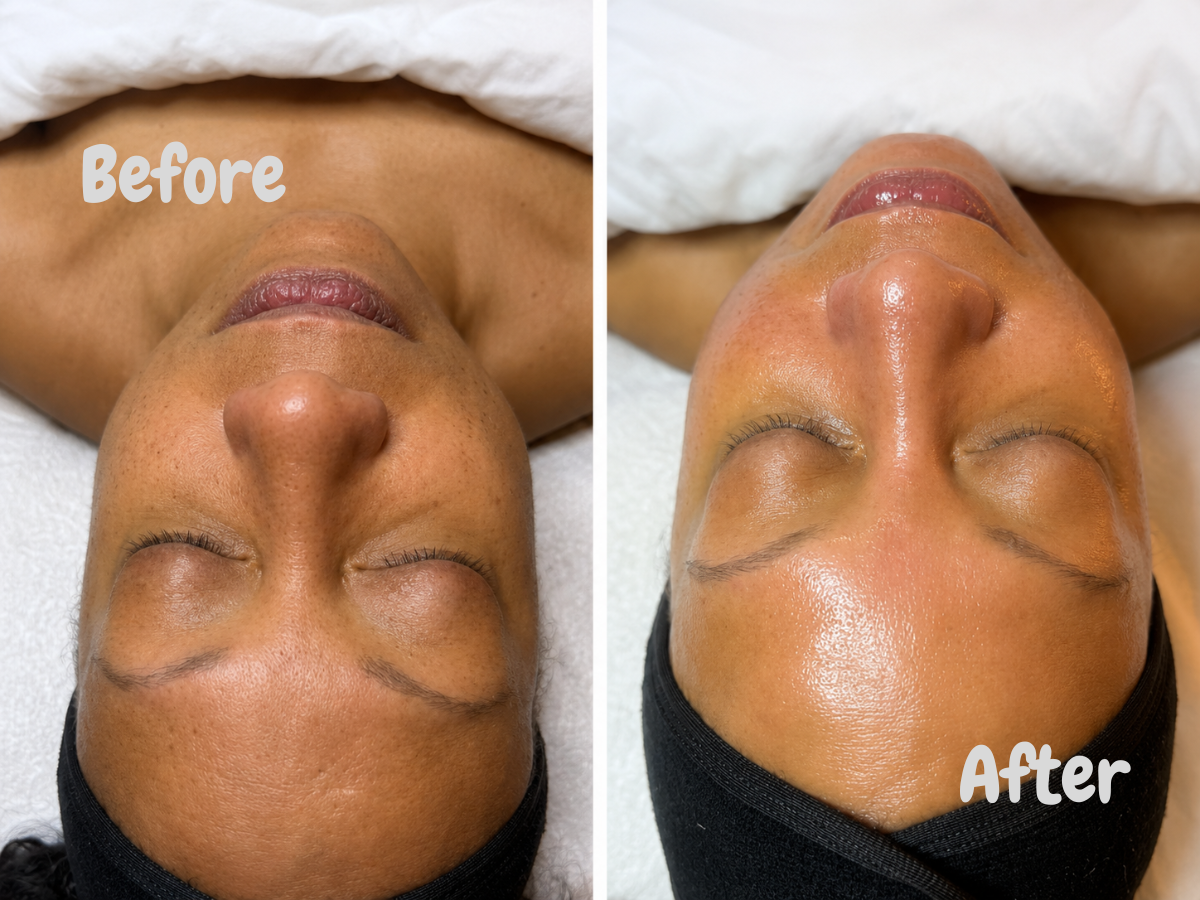
Viviane’s Expertise in Personalized Chemical Peel Care
At Viviane Aires Skin Wellness, chemical peels are not treated as a one-size-fits-all service. Each peel is selected with attention to your skin tone, sensitivity, acne history, pigmentation risk, barrier health, and long-term skin goals.
Viviane brings over two decades of hands-on skincare experience as a licensed esthetician and massage therapist in Philadelphia. Her approach is especially helpful for clients dealing with dark spots, post-acne marks, dullness, uneven texture, and skin that needs careful, customized support.
Because chemical peels can affect every skin type differently, Viviane focuses on controlled exfoliation rather than aggressive peeling. This is especially important for melanin-rich skin, sensitive skin, acne-prone skin, and clients who are unsure whether they need a chemical peel, acne facial, hyperpigmentation support, or a longer Skin Focus Program.
Chemical Peels for Skin of Color
Chemical peels can support uneven tone and post-acne marks in skin of color, but the approach must be careful.
For melanin-rich skin, the goal is not aggressive peeling. The goal is controlled, pigment-conscious support that respects the skin barrier and reduces irritation risk.
How Many Chemical Peels Do You Need?
It depends on your concern, skin tone, sensitivity, acne activity, pigmentation depth, and home routine.
Some clients want one peel for glow and freshness. Others may need a series for dark spots, acne marks, dullness, or texture. For more structured support, the Skin Focus Program may be a better fit.
Chemical Peels Near Rittenhouse Square & Center City Philadelphia
Viviane Aires Skin Wellness is located at:
255 S 17th St Suite 2407
Philadelphia, PA 19103
Our studio is near Rittenhouse Square and Center City Philadelphia, serving clients from:
Why Choose Viviane Aires Skin Wellness for Chemical Peels?
Chemical peels work best when they are personalized. At Viviane Aires Skin Wellness, your treatment is guided by your skin condition, pigmentation risk, sensitivity, comfort level, and long-term goals.
Clients choose Viviane for:
Your skin does not need aggressive treatment to improve. It needs the right treatment at the right time.
Chemical Peel Frequently Asked Questions
Are chemical peels good for dark spots?
Yes, chemical peels may help improve the look of dark spots and uneven tone by supporting surface renewal. Results depend on the cause of pigmentation, skin tone, aftercare, and consistency.
Can chemical peels help acne marks?
Yes, chemical peels may help improve the appearance of flat post-acne marks. If acne is still active, breakout control may need to come first.
Are chemical peels safe for skin of color?
Chemical peels can be used on skin of color, but they must be selected carefully. A customized, pigment-conscious approach is important.
How many chemical peels do I need?
It depends on your concern. One peel may refresh dull skin, while dark spots, acne marks, and texture often need a planned series.
Is there downtime after a chemical peel?
Some peels have little visible downtime. Others may cause dryness, flaking, or peeling for several days.
Can I get a chemical peel if I have active acne?
Sometimes. It depends on the type of acne, inflammation level, sensitivity, and skin barrier condition.
What should I avoid after a chemical peel?
Avoid picking, harsh exfoliants, strong actives, direct sun exposure, and heat unless your esthetician tells you otherwise.